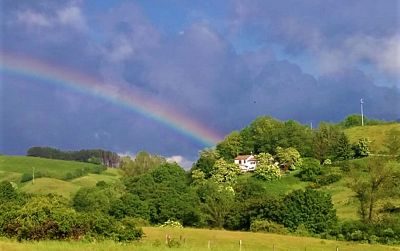
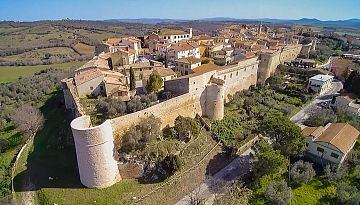
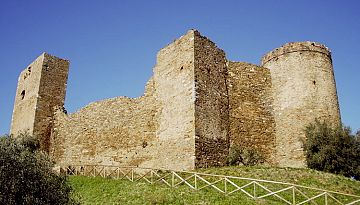
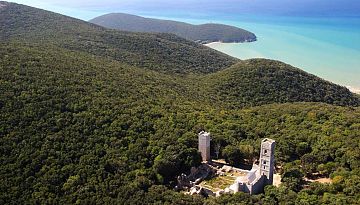
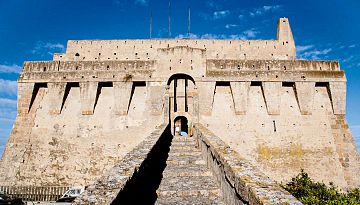
Montieri rises on the knoll of the same name, covered by cool Chestnut forests. Its name comes from Mons aeris ( Mount of Bronze) because of the rich mineral deposits in the area. The name “Bolunnio”, given to a place near the town, would indicate that Montieri was Etruscan even before Roman. The numerous tunnels that have come to light would seem to confirm this origin. They were used for extracting minerals and the most fascinating of them is called “Buca delle Fate” (Fairys’Lair). The town contains numerous Medieval remains. The three towers belonging to the city wall, originally part if the castle, are still visible. Strolling through the narrow streets, the most striking sights are the typical tower-houses from the 13th century. The Cassero, to which the ancient prisons were attached, rises in the highest part of the town. Today Montieri is a tranquil vacation spot, surrounded by green Chestnut, Oak and Beech forests and by two Nature Parks, “Campo al Pera” and “Piano”. Both parks draw large numbers of passing tourists during the summer months. Montieri and the surrounding area have always been tied to mining. The silver color of the rock is striking, as can be seen in the massif “delle Cornate” that resembles a lunar landscape. The nearby town, Boccheggiano maintained its mining traditions for the greatest length of time and is adorned by the Roste, imposing mounds of red colored slag. The town of Gerfalco is noteworthy for its Medieval urban structure which has remained almost intact. Important traditional celebrations are worth seeing. The one in honor of the Madonna of the Chestnuts is held every three years, and the Festa delle Contrade (neighborhoods) takes place every year.